Herbal tea · Europe
Dandelion
Detoxifying herb from dandelion roots or leaves with earthy, slightly bitter flavor.

 How to brew
| Leaf | Water | Temperature | Time | Infusions | |
|---|---|---|---|---|---|
| Western | 3 g | 250 ml | 100°C / 212°F | 12 min | 4 |
About this tea
Dandelion (Taraxacum officinale), dismissed as a weed by modern lawns, has been treasured medicine and food for millennia. The name derives from French 'dent de lion' (lion's tooth), describing jagged leaves. Every part is useful: leaves for salads, flowers for wine, roots for coffee substitute and medicine. Traditional Chinese Medicine calls it 'pu gong ying,' using it for liver health. During the Depression, dandelion salads sustained many families.
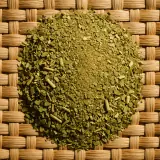
Dandelion offers two distinct teas: a green, grassy leaf tea and a dark, roasted root tea that drinks like coffee. Spring leaves are least bitter; fall roots contain most inulin. Harvesting from unsprayed areas is crucial - avoid roadside or treated lawns. Quality dried dandelion shows green leaves or tan root pieces without excessive stems. Roasted roots create coffee-substitute with nutty flavor.
The flavor profile varies by part: leaves taste earthy and bitter like strong greens, while roots offer deeper, nutty bitterness with slight sweetness. Roasted roots develop coffee-like notes without caffeine. The bitterness is bracing but can overwhelm. Spring-harvested material is milder. The yellow-green (leaf) or brown (root) liquor has medium body with herbaceous aroma.
Brewing recommendations: Use 1-2 teaspoons (3g) dried leaf or root per 250ml cup. Pour boiling water (100°C/212°F) and steep leaves 5-10 minutes, roots 12 minutes. Roasted roots can be prepared like coffee. The bitter flavor improves with honey or combined with pleasant herbs. Some add milk to roasted root 'coffee.'
A traditional spring herb across Europe, gathered as soon as the first leaves appear. Naturally high in potassium, and a source of vitamins A, C, and K. Traditionally taken before meals. Avoid with gallstones or bile duct problems. The milky sap can cause skin irritation. Pairs with other bitter herbs like milk thistle. Sustainable foraging makes it free to anyone with a lawn.
Caffeine, in context
Per 250 ml cup, brewed as directed.
Flavor profile
- earthy
- slightly bitter
- roasted
- coffee-like
Health benefits
- liver detox
- diuretic
- digestion
- potassium rich
Pairs wonderfully with
- honey
- milk
- roasted grains
- morning routine
You might also enjoy


Frequently asked questions
Can you re-steep Dandelion?
Yes — Dandelion gives 4 good infusions. Start at 720 seconds and add a little time to each round.
How much caffeine is in Dandelion?
0 mg per 250 ml cup — Caffeine-free.
What water temperature does Dandelion need?
100°C / 212°F. Hotter water pulls out bitterness; cooler water under-extracts the leaf.
Teafinity times every infusion for you
The app loads this tea's exact schedule, rings even in your pocket, and logs every session — free on iPhone and Android.