Herbal tea · Mediterranean
Fennel
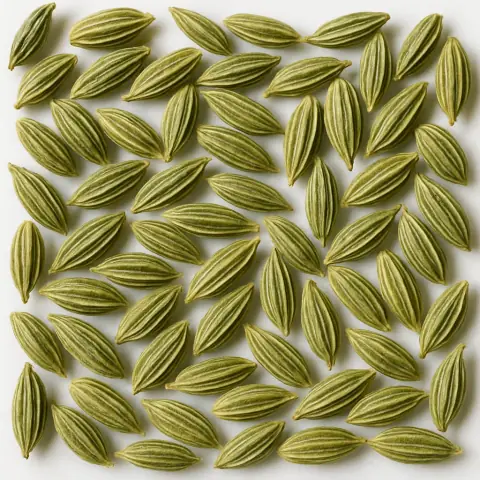
Sweet, licorice-flavored seeds traditionally used for digestion and fresh breath.
 How to brew
| Leaf | Water | Temperature | Time | Infusions | |
|---|---|---|---|---|---|
| Western | 2 g | 250 ml | 100°C / 212°F | 10 min | 2 |
About this tea
Fennel (Foeniculum vulgare), the sweet herb of Mediterranean coasts, has been chewed and brewed since ancient times. Romans thought it gave strength and longevity to gladiators. Indian restaurants offer sugar-coated fennel seeds (saunf) at the end of a meal. Medieval Europeans hung fennel over doors to ward off evil spirits. This versatile plant offers edible bulbs, fronds, and seeds, with seeds most used for tea.
The seeds develop from yellow umbrella-like flowers, harvested when turning from green to brown. Proper drying preserves volatile oils including anethole (also in anise and licorice), creating the characteristic sweet flavor. Quality fennel seeds show greenish-brown color with strong sweet aroma. Indian and Egyptian fennel are particularly prized. Crushing before use releases more flavor.
The flavor profile is sweetly aromatic: dominant licorice/anise notes with subtle warmth and slight bitterness. Unlike harsh star anise, fennel offers gentle sweetness with hints of mint and camphor. The flavor intensifies with chewing, leaving a sweet aftertaste. Some varieties have more bitter or peppery notes. The pale yellow-green liquor releases sweet, inviting aroma.
Brewing recommendations: Use 1 teaspoon (2g) crushed seeds per 250ml cup. Pour boiling water (100°C/212°F) and steep 10 minutes, covered to preserve oils. Crushing seeds immediately before brewing maximizes flavor. Traditional Indian preparation involves dry-roasting seeds first. Combines well with ginger, cardamom, or mint. Natural sweetness rarely needs sugar.
A traditional end-of-meal infusion across the Mediterranean and South Asia. The sweet anise character freshens the palate naturally. Safe for children and during pregnancy in normal amounts. Best after heavy meals. In India, chewed directly after eating. Pairs with rich, fatty foods. The sweet flavor makes it popular in digestive tea blends. Also used in cooking, especially with fish and pork.
Caffeine, in context
Per 250 ml cup, brewed as directed.
Flavor profile
- sweet
- anise
- warm
- aromatic
Health benefits
- digestion
- bloating relief
- fresh breath
Pairs wonderfully with
- after Indian meals
- digestive biscuits
- cheese
- olives
You might also enjoy

Frequently asked questions
Can you re-steep Fennel?
Yes — Fennel gives 2 good infusions. Start at 600 seconds and add a little time to each round.
How much caffeine is in Fennel?
0 mg per 250 ml cup — Caffeine-free.
What water temperature does Fennel need?
100°C / 212°F. Hotter water pulls out bitterness; cooler water under-extracts the leaf.
Teafinity times every infusion for you
The app loads this tea's exact schedule, rings even in your pocket, and logs every session — free on iPhone and Android.