Black tea · Darjeeling, India
Darjeeling
The 'Champagne of Teas' - delicate black tea with muscatel and fruity notes from high-altitude gardens.
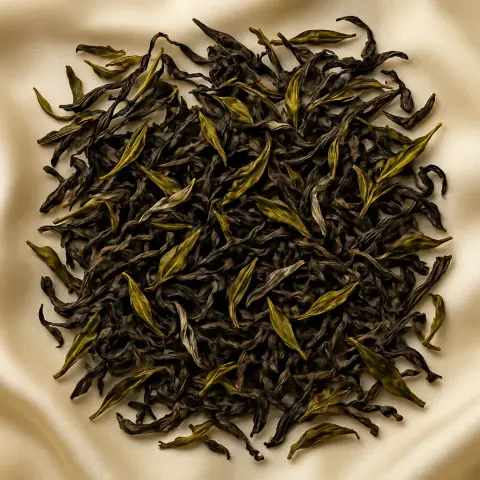
 How to brew
| Leaf | Water | Temperature | Time | Infusions | |
|---|---|---|---|---|---|
| Western | 3 g | 250 ml | 90°C / 195°F | 2 min 30 s | 3 |
About this tea
Darjeeling, the 'Champagne of Teas,' grows in the misty Himalayan foothills of West Bengal, India, at elevations between 2,000-7,000 feet. This limited production area of just 87 gardens produces only 1% of India's total tea, making authentic Darjeeling precious and often counterfeited - more 'Darjeeling' is sold worldwide than is actually produced.
The unique terroir - combining high altitude, steep slopes, cool temperatures, and distinctive soil - creates teas of extraordinary delicacy and complexity. Darjeeling is harvested in distinct flushes: First Flush (March-April) yields light, floral teas with green notes; Second Flush (May-June) produces the prized 'muscatel' character - a wine-like, fruity sweetness; Monsoon Flush (July-September) gives stronger, more astringent teas; and Autumn Flush (October-November) offers mellow, rounded flavors.
Unlike most Indian teas from var. assamica, Darjeeling primarily uses Chinese var. sinensis, contributing to its refined character. The processing is also unique, with controlled oxidation creating teas that straddle the line between black and oolong. The result is a light-bodied tea with complex layers of flavor - from floral and fruity to nutty and slightly astringent.
Brewing recommendations: Use 1 teaspoon (3g) per 250ml cup with water at 90°C (195°F) and steep for 2.5 minutes. Never add milk, which masks the delicate flavors. Some estates recommend specific parameters, so check packaging.
Best savored in the afternoon, Darjeeling pairs wonderfully with light foods - cucumber sandwiches, mild cheeses, fruit tarts, and almond pastries. Connoisseurs often drink different flushes at different times, treating each like a fine wine vintage.
Caffeine, in context
Per 250 ml cup, brewed as directed.
Flavor profile
- muscatel
- fruity
- delicate
- floral
Health benefits
- antioxidants
- gentle energy
- digestion
- hydration
Pairs wonderfully with
- light pastries
- fruit
- cucumber sandwiches
- scones
You might also enjoy

Frequently asked questions
Can you re-steep Darjeeling?
Yes — Darjeeling gives 3 good infusions. Start at 150 seconds and add a little time to each round.
How much caffeine is in Darjeeling?
45 mg per 250 ml cup — Medium caffeine.
What water temperature does Darjeeling need?
90°C / 195°F. Hotter water pulls out bitterness; cooler water under-extracts the leaf.
Teafinity times every infusion for you
The app loads this tea's exact schedule, rings even in your pocket, and logs every session — free on iPhone and Android.